Validation Cycles and Incentive Layering Shape Progressive Reel Experiences on UK Mobile Platforms
Petra Schulz · Jul 20, 2026
Validation Cycles and Incentive Layering Shape Progressive Reel Experiences on UK Mobile Platforms
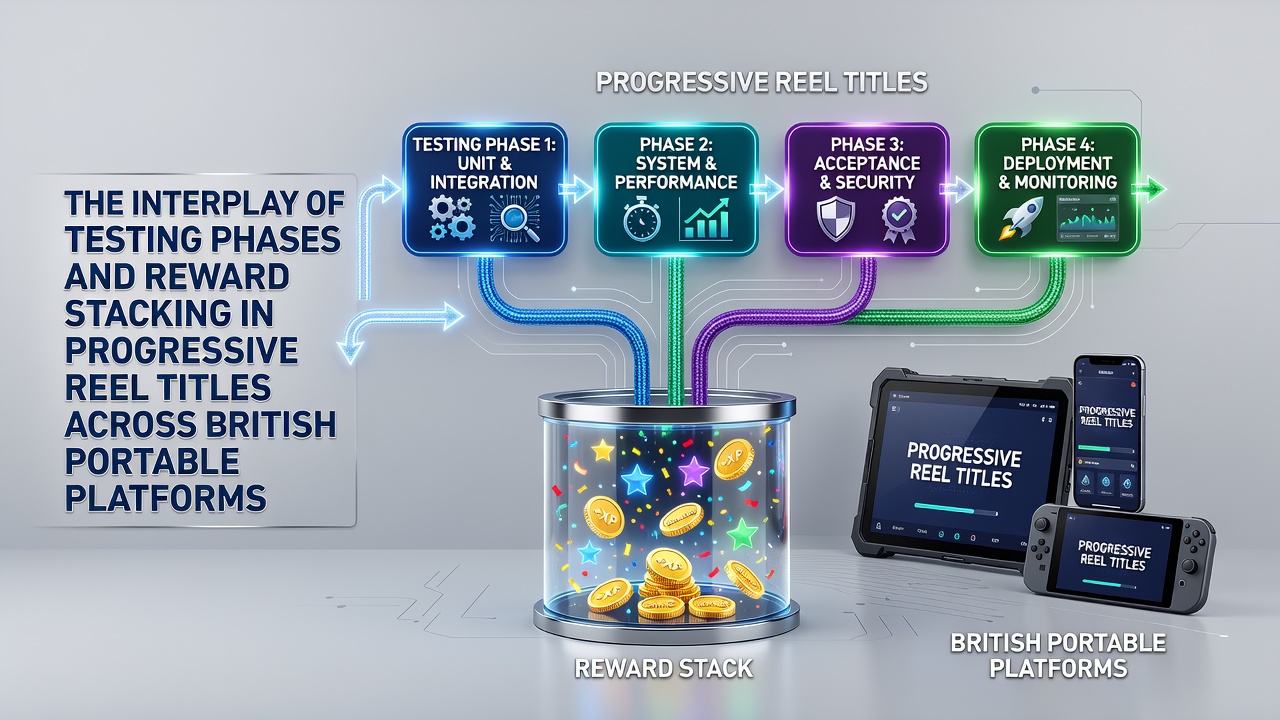
Progressive reel titles on British portable platforms rely on structured validation cycles that verify game integrity before public release, and these cycles directly influence how reward stacking mechanisms function across devices. Developers run multiple testing stages including unit checks, integration reviews, and live environment simulations to confirm that progressive jackpots accumulate correctly while bonus layers such as multipliers and free spin sequences operate without interference. Data from industry monitoring services shows that titles undergoing extended beta phases in 2025 exhibited fewer payout discrepancies once launched on Android and iOS systems.
Core Testing Stages in Mobile Progressive Development
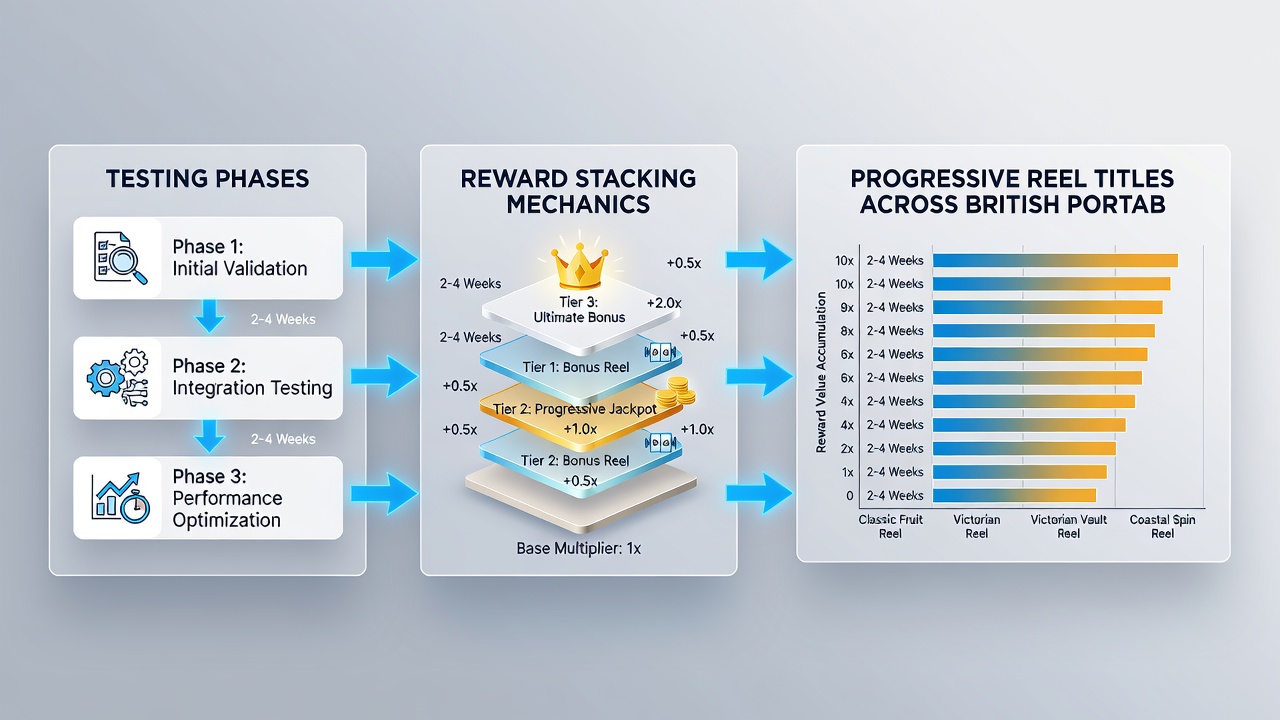
Initial validation focuses on code stability and random number generator compliance, followed by device-specific performance trials that examine reel behavior under varying network conditions common to UK users. Observers note that these early stages establish baseline rules for how stacked rewards interact with the progressive meter, ensuring multipliers do not unintentionally accelerate jackpot growth beyond intended parameters. Research indicates that games passing rigorous device fragmentation tests in controlled labs demonstrate more predictable reward accumulation patterns once deployed on portable hardware.
Subsequent phases incorporate player simulation environments where automated scripts replicate rapid spin sequences and bonus trigger events. These simulations reveal whether stacked incentives such as combined free spin rounds and progressive contributions maintain balance across different screen sizes and operating systems. Figures from European gaming technology assessments released in early 2026 highlight that titles refined through iterative simulation rounds reduced error rates in reward calculations by measurable margins compared to earlier versions.
Reward Stacking Mechanics and Their Dependencies
Reward stacking in progressive titles typically combines base game payouts with layered bonuses including wild multipliers, retriggered spins, and contributions to shared jackpot pools. Platform operators structure these layers so that each active incentive feeds into the progressive total without creating overflow conditions that could disrupt meter accuracy. Studies conducted by Canadian research institutions have documented how precise calibration during development prevents stacking sequences from exceeding hardware processing limits on mid-range smartphones prevalent among UK players.
Operators further adjust stacking rules based on regulatory guidelines from multiple jurisdictions, incorporating limits that cap simultaneous bonus activations during high-traffic periods. This approach maintains system responsiveness while preserving the mathematical integrity of progressive growth. Evidence from Australian gambling technology reviews suggests that titles with clearly defined stacking hierarchies experience steadier player engagement metrics across mobile networks.
Interaction Between Testing and Stacking on Portable Devices
The interplay emerges most clearly when testing environments replicate real-world usage patterns such as interrupted connections and background app switching, conditions that can affect how stacked rewards register against the progressive meter. Developers who integrate these variables into validation protocols produce titles where bonus layers activate consistently regardless of session length or device orientation. Data compiled by North American gaming laboratories in mid-2026 shows correlations between comprehensive mobile testing coverage and reduced incidence of reward desync issues reported by users.
Platform-specific optimizations also play a role, as operating system updates can alter how games handle concurrent bonus events and progressive contributions. Validation teams therefore conduct regression testing following major iOS and Android releases to confirm that stacking sequences remain synchronized with jackpot tracking systems. Those who've examined deployment logs across multiple providers observe that titles subjected to post-update validation maintain smoother reward progression curves compared to those released without such checks.
Market Patterns Observed Through 2026
Industry reports tracking British portable gaming activity through July 2026 indicate steady expansion in the number of progressive titles optimized for reward stacking across both established and emerging providers. Analytics platforms record increased session durations on devices where stacking features were validated against diverse network profiles before launch. Academic analyses from European universities further connect thorough testing coverage with higher retention rates in markets where mobile access dominates overall play volume.
Cross-regional comparisons reveal that providers aligning validation timelines with regional device usage trends achieve more consistent stacking performance. This alignment reduces friction when players move between home networks and mobile data connections, preserving the continuity of progressive contributions and layered incentives.
Conclusion
Validation cycles and reward stacking therefore operate as interconnected elements within progressive reel development for UK portable platforms, with each testing stage shaping the reliability of layered incentives. Continued monitoring through 2026 and beyond will likely refine these processes as device capabilities and network infrastructures evolve. Industry organizations such as the International Gaming Standards Association and reports from the Australian Gambling Research Centre continue to supply data that informs these ongoing refinements across global markets.