Reel Cascade Dynamics: How Game Mechanics Align with Tiered Incentive Programs in Gaming Operations
Petra Schulz · Jul 13, 2026
Reel Cascade Dynamics: How Game Mechanics Align with Tiered Incentive Programs in Gaming Operations
Slot game design incorporates reel cascades as a core feature where winning symbols disappear and new ones fall into place, creating extended sequences within a single spin, and these mechanics connect directly to structured reward tiers that operators use to manage player engagement and payout distributions. Research indicates that cascade systems generate multiple win opportunities per spin, which in turn feed into tiered reward frameworks that scale bonuses based on sequence length and symbol value combinations. Data from industry analyses show operators adjust incentive levels according to cascade frequency because these features influence overall session duration and return-to-player calculations.
Understanding Cascade Mechanics in Modern Slots
Cascade features operate through a chain reaction process where matched symbols vanish from the grid and replacements drop from above, and this repetition continues until no further matches form while each successful cascade adds to the accumulating multiplier or credit total. Observers note that providers integrate these systems with varying grid sizes and symbol sets so that longer chains align with higher reward tiers, creating a direct mapping between feature complexity and payout brackets. Studies from academic sources on game mathematics reveal that cascade probability curves help operators predict average sequence lengths, which then inform the calibration of incentive multipliers offered during promotional periods.
Linking Cascades to Tiered Reward Structures
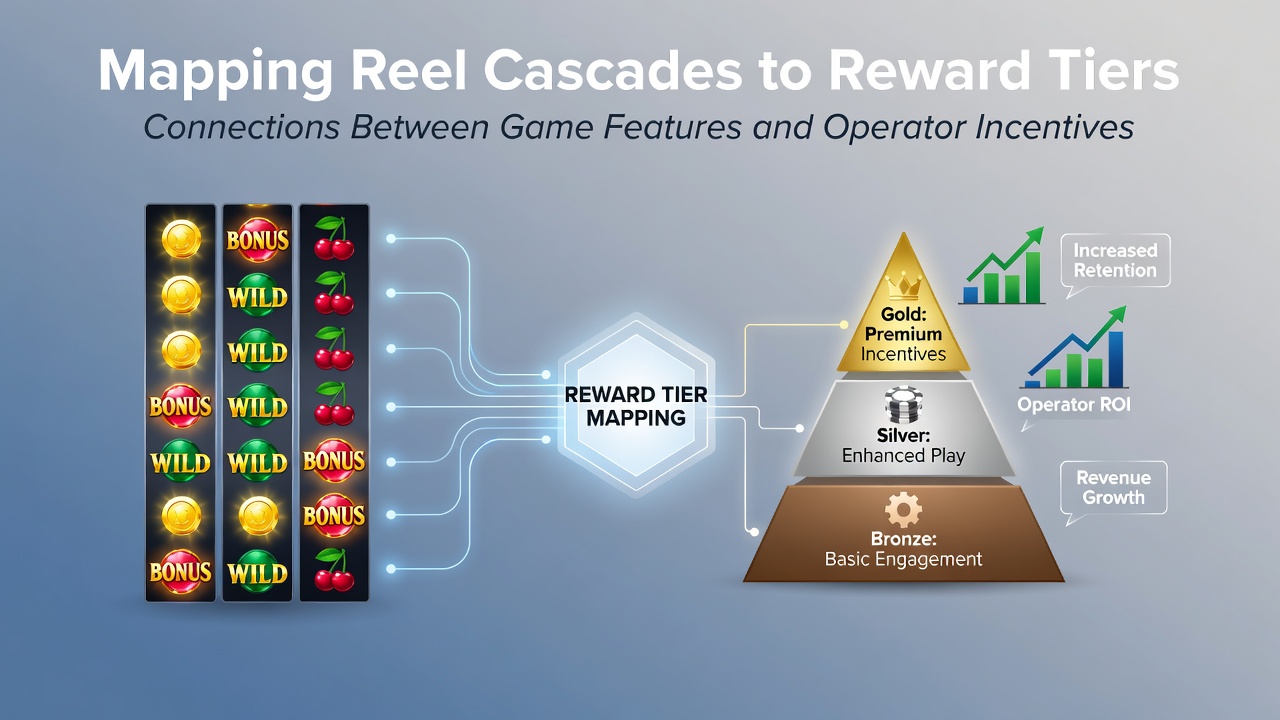
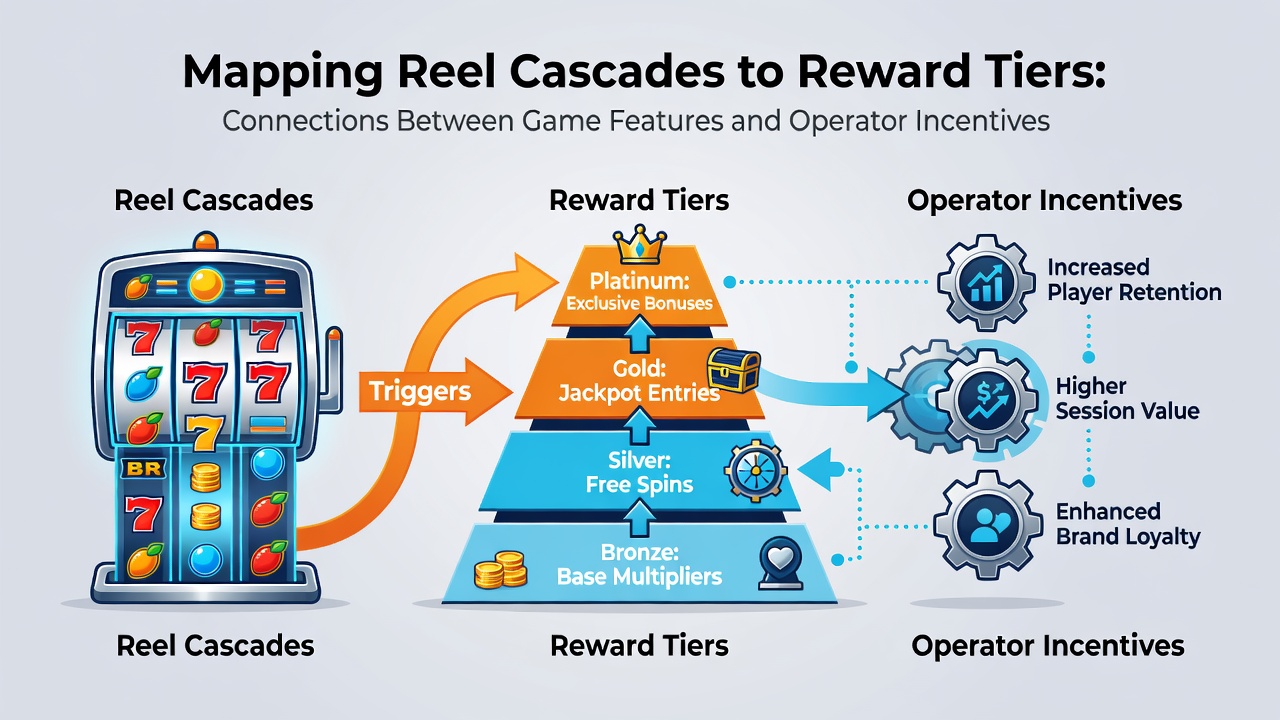
Operators map cascade outcomes to reward tiers by assigning progressive multipliers or bonus credits to sequences that exceed specific thresholds, for example a three-symbol cascade might unlock the base tier while five or more symbols trigger elevated tiers with increased payout rates. Figures from gaming association reports demonstrate that this tier alignment encourages sustained play because players receive incremental rewards that scale with cascade depth, and the structure allows operators to control volatility exposure across different game portfolios. What's interesting is how these mappings also incorporate symbol rarity data so that premium symbols in cascade chains correspond to premium reward tiers, ensuring balanced incentive distribution.
Operator Incentive Adjustments Based on Feature Performance
Incentive programs adjust in response to cascade performance metrics such as average chain length and frequency per session, with operators using real-time analytics to modify bonus eligibility or free spin allocations tied to those metrics. According to data compiled by the Alcohol and Gaming Commission of Ontario, such adjustments help maintain regulatory compliance while optimizing player retention through targeted reward tiers that reflect actual game feature output. Those who analyze operator dashboards observe that cascade-heavy titles often receive higher promotional weighting because their mechanics naturally support extended tier progression, which in turn drives volume-based incentive models.
Game providers supply operators with detailed cascade probability tables that feed directly into reward tier algorithms, and these tables allow precise calibration of bonus triggers so that incentives remain proportional to feature engagement levels. Research published through university gaming studies shows correlations between cascade depth and player progression speed through reward tiers, enabling operators to forecast promotional costs and adjust accordingly. But here's the thing: operators also factor in regional regulatory caps when setting tier thresholds, which means cascade mappings can vary by jurisdiction even for identical game titles.
Case Examples of Feature-Incentive Integration
One documented implementation involves grid-based slots where each additional cascade level unlocks a new reward tier that includes either cashback percentages or loyalty point multipliers, and operators track these unlocks through backend systems to issue rewards automatically. Data from the Australian Communications and Media Authority indicates that such automated tier systems reduce administrative overhead while maintaining transparency in how game features translate to player benefits. Observers note that titles with higher cascade potential often appear in curated incentive lists because their mechanics align with volume-driven reward programs that reward longer play sessions.
Future Projections Through Mid-2026
As of July 2026, emerging analytics platforms are expected to refine cascade-to-tier mappings further by incorporating machine learning models that predict optimal incentive levels based on historical sequence data across player segments. Industry reports project that operators will increasingly tie cascade performance directly to personalized reward tiers, using session-specific metrics to deliver tailored incentives that reflect individual engagement patterns with these mechanics. Those monitoring regulatory developments anticipate continued emphasis on transparent disclosure of how feature outcomes influence tier eligibility, which will shape future game design choices and incentive structures alike.
Conclusion
Mapping reel cascades to reward tiers establishes a measurable connection between game features and operator incentives, allowing data-driven adjustments that align payout sequences with structured reward delivery. Evidence from regulatory bodies and research institutions confirms that this alignment supports both compliance requirements and operational efficiency across diverse gaming markets, and continued refinement of these connections will likely define incentive strategies moving forward.