Integrated Slot Architectures Connecting Simulation Modes to Achievement Thresholds
Willa Fischer · Aug 3, 2026
Integrated Slot Architectures Connecting Simulation Modes to Achievement Thresholds
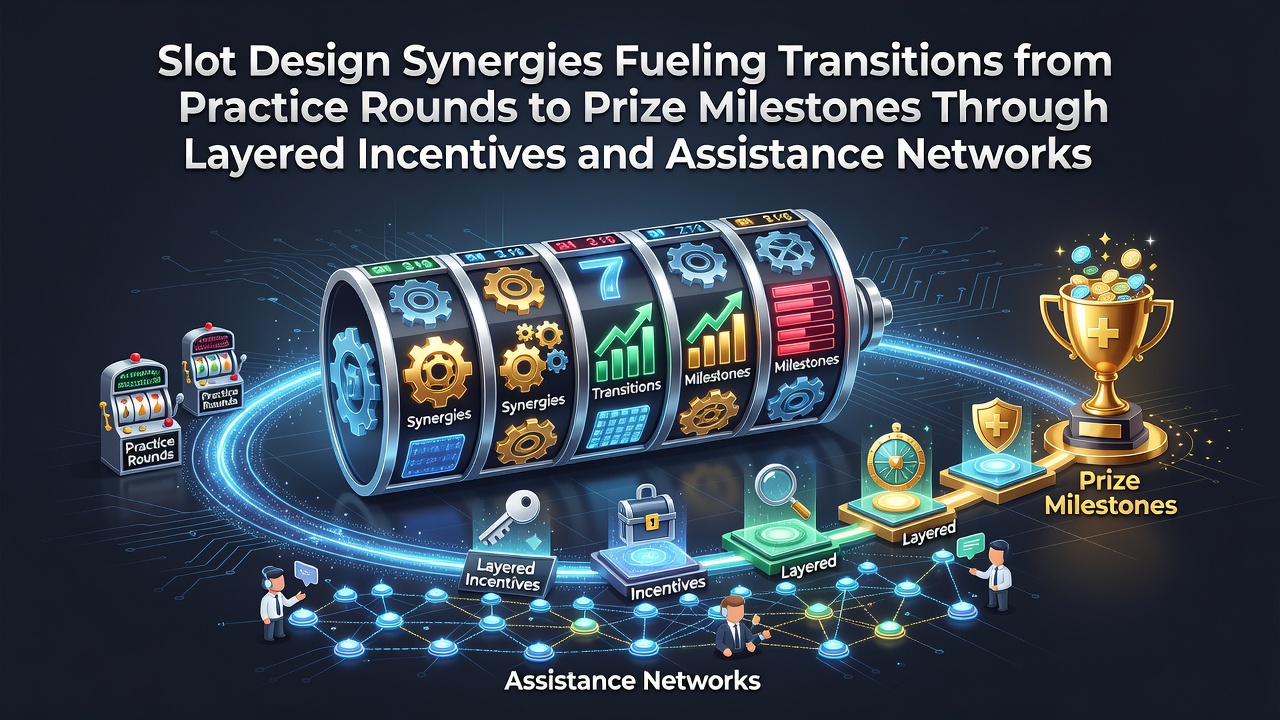
Slot systems incorporate multiple design layers that align practice environments with progression pathways toward larger payouts, and these structures rely on incentive frameworks plus support mechanisms to guide user movement across stages. Data from industry reports indicate that such alignments appear in games where free simulation rounds feed directly into reward accumulation systems, while assistance channels provide real-time adjustments during key transitions.
Core Design Elements in Modern Slot Frameworks
Engineers build slot titles around modular components that include reel configurations, symbol hierarchies, and trigger events, and these elements create pathways from initial trial spins into sustained engagement sequences. Research from the University of Nevada Las Vegas gaming studies program shows that progressive jackpot linkages often activate after repeated practice interactions, which allows players to familiarize themselves with payout patterns before committing real stakes. Observers note that volatility settings play a central role here because lower variance options in early modes help maintain momentum toward higher-stakes milestones.
Layered incentives function as connectors between these stages, and they typically manifest through multiplier accumulations, free spin allocations, and loyalty point conversions that carry over from demo sessions. Figures from the Canadian Centre for Gaming Research reveal that games employing such carry-over mechanics see increased retention rates across multiple jurisdictions, while assistance networks such as integrated chat systems deliver targeted guidance on feature activations during critical progression points.
Incentive Layers and Their Role in Player Advancement
Bonus structures stack in sequences that reward consistent practice activity, and this stacking produces measurable shifts from simulation play into competitive prize pursuits. According to reports issued by the Australian Institute of Family Studies gambling research division, players encounter escalating reward tiers that activate after specific demo thresholds are met, which creates a seamless bridge toward live milestone events. What's notable is how these tiers incorporate both immediate small-scale returns and deferred larger opportunities, allowing gradual skill development without abrupt jumps in commitment levels.
Assistance networks supplement these layers by offering instant clarification on rule interpretations and strategy adjustments, and data indicates that access to such networks correlates with higher completion rates of transition phases. In August 2026 several North American operators plan expanded integration of AI-assisted support tools that analyze demo performance metrics to suggest optimal incentive redemptions, building on existing frameworks already in place across multiple markets.

Support Mechanisms Enhancing Transition Efficiency
Live assistance channels operate alongside automated prompts within slot interfaces, and together they form networks that address user queries at moments when practice rounds begin converting into prize-eligible activity. Evidence from the European Gaming and Betting Association documentation highlights that operators deploying combined human and algorithmic support observe smoother shifts across player cohorts, particularly when these tools reference individual session histories to tailor recommendations. Such networks reduce friction points that might otherwise interrupt progression sequences.
Design synergies emerge when reel mechanics, incentive schedules, and support touchpoints align around shared objectives, and researchers have documented cases where synchronized systems produce extended play cycles leading to milestone achievements. Those who have examined large-scale datasets note that games featuring these alignments tend to distribute wins across broader player bases rather than concentrating them in isolated sessions.
Conclusion
Slot architectures continue evolving through deliberate combinations of practice tools, layered rewards, and support infrastructures that collectively facilitate movement from initial simulations toward substantial prize outcomes. Available metrics demonstrate consistent patterns across regions where these elements interact, and ongoing developments scheduled for 2026 suggest further refinements in how operators link these components for sustained user pathways.