Integrated Approaches to Slot Innovation: Trial Access, Layered Rewards, and Protocol Support
Willa Fischer · Jul 9, 2026
Integrated Approaches to Slot Innovation: Trial Access, Layered Rewards, and Protocol Support
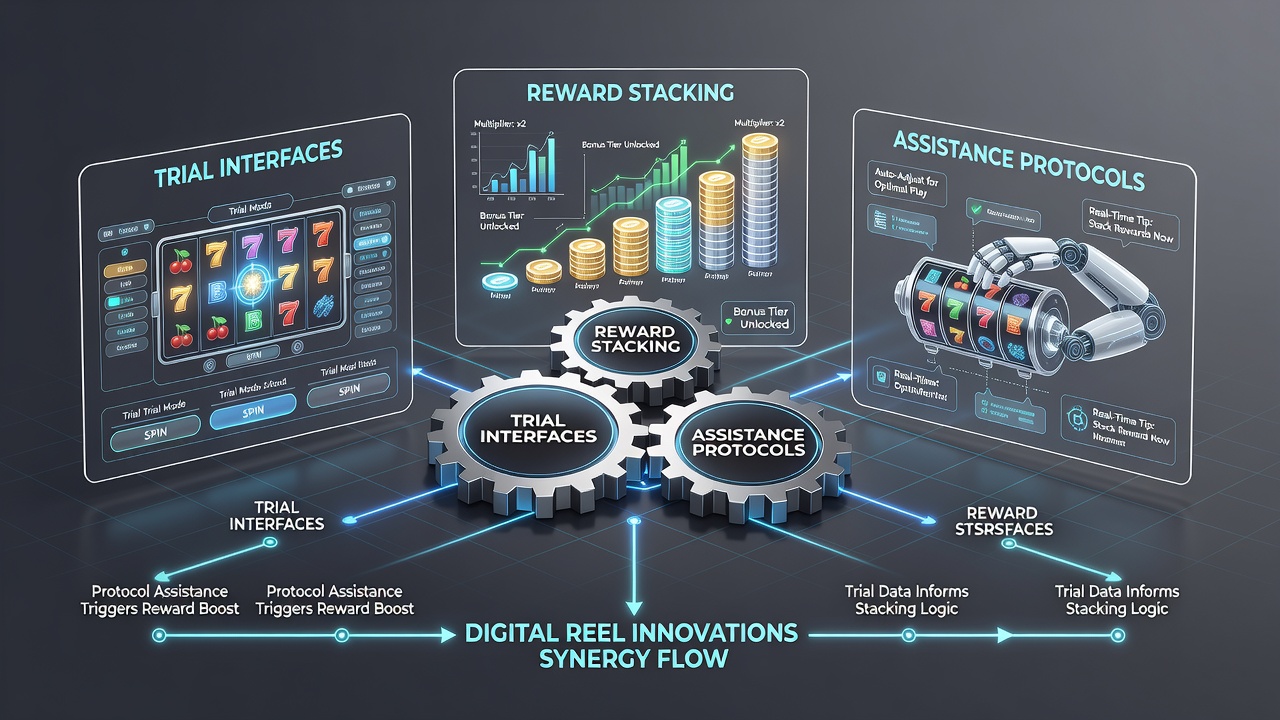
Digital reel platforms continue to refine how trial interfaces connect with reward stacking features and assistance protocols, creating operational efficiencies across mobile and desktop environments. These elements work together when developers align demo access points with progressive bonus layers and real-time support channels. Research indicates that such alignments allow users to move from initial trials into active play without disruption, while data from industry reports shows measurable increases in session continuity during 2025 and into July 2026.
Trial Interfaces as Entry Points
Trial interfaces provide structured entry to reel mechanics through free-to-access versions that mirror full gameplay parameters. Observers note these interfaces often incorporate identical random number generation and payout tables, which enables direct skill transfer when users transition to paid modes. Developers integrate navigation tools that highlight feature triggers, allowing participants to explore combinations before committing funds. Evidence from technical audits reveals that seamless trial designs reduce initial friction points and support extended exploration periods.
Reward Stacking Mechanisms
Reward stacking builds on base game outcomes by layering multiple bonus elements such as free spin multipliers, progressive contributions, and promotional add-ons. Systems track these layers through centralized ledgers that update in real time, preventing overlaps or conflicts during simultaneous activations. Studies conducted by academic research groups have documented how stacking protocols increase average return-to-player consistency when combined with trial-derived insights. Figures reveal that platforms maintaining synchronized reward databases achieve higher retention rates across regional markets including North America and parts of Asia.
Assistance Protocols in Operation
Assistance protocols deliver live guidance through chat systems and automated response frameworks that address queries about game rules, bonus eligibility, and technical issues. These protocols operate with access to user session data, enabling advisors to reference specific trial histories or pending reward stacks. According to reports from the European Gaming and Betting Association, integrated support channels correlate with faster resolution times and lower abandonment rates during complex bonus sequences. Protocols also log interaction patterns, which feeds back into interface refinements over successive updates.
Connecting the Three Components
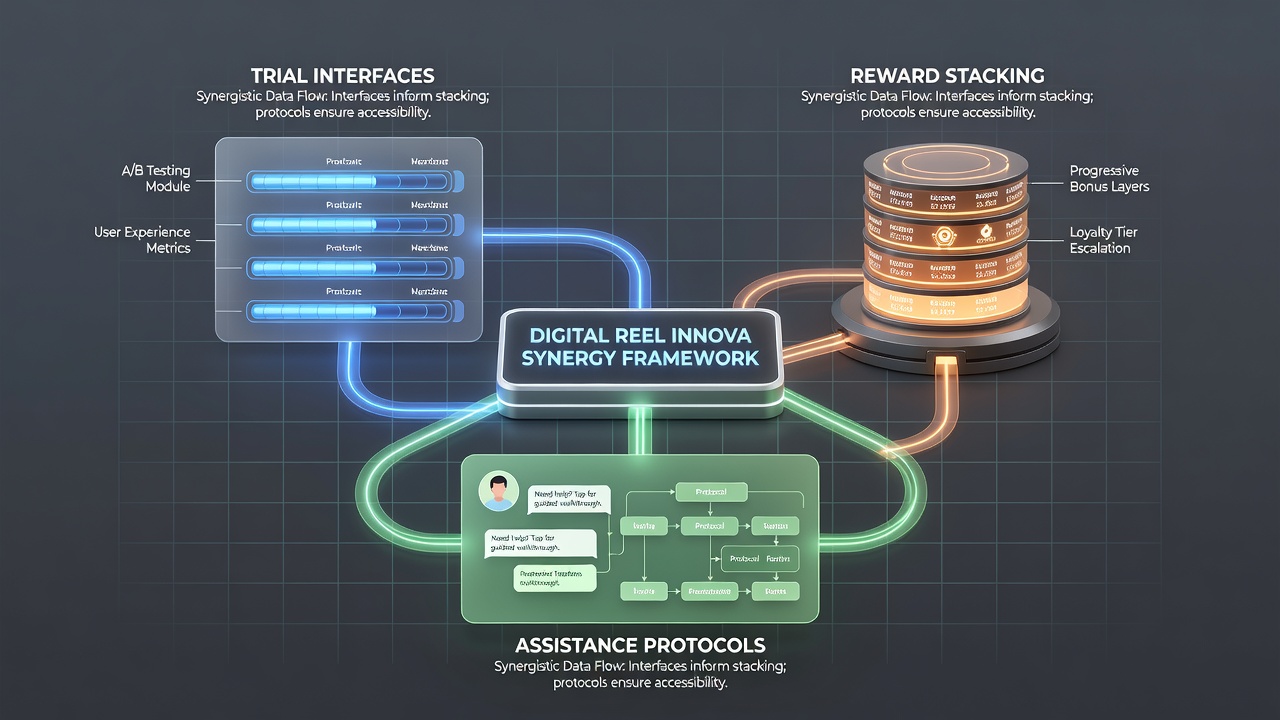
Synergies emerge when trial interfaces feed data into reward systems and assistance networks simultaneously. For instance, a user completing a demo sequence can trigger pre-configured reward pathways that activate upon first deposit, while support agents receive contextual alerts about the user's progress. This interconnected structure relies on API bridges that share metadata without exposing sensitive financial details. Data shows that platforms implementing these bridges report smoother user journeys, particularly in markets where mobile traffic dominates. One study revealed that such alignments allow reward stacking to respond dynamically to patterns observed during trial phases.
Technical Implementation Patterns
Developers employ modular architectures that separate trial environments from live servers yet maintain shared rule engines. This separation allows independent testing of new reel features while preserving reward integrity across both modes. Assistance protocols sit atop these layers, pulling from unified databases to deliver consistent information regardless of whether a participant is in trial or paid mode. Industry analyses indicate that modular designs facilitate quicker deployment of updates, with several providers releasing coordinated feature sets in mid-2026.
Regional Variations in Adoption
Adoption rates differ by jurisdiction, with regulatory frameworks in Australia and Canada emphasizing transparent trial disclosures alongside reward transparency rules. In these regions, operators must document how assistance protocols handle data from stacked promotions. Reports from government gaming authorities in those areas show that clear documentation supports compliance audits and reduces dispute volumes. Meanwhile, markets in parts of Europe continue to experiment with cross-border data sharing standards that further tighten the links between the three components.
Future Developments Noted in 2026
By July 2026, several platforms had introduced predictive assistance tools that anticipate user needs based on trial behavior and reward history. These tools rely on machine learning models trained on anonymized session aggregates. Observers note that early deployments demonstrate reduced support ticket volumes while maintaining reward stacking accuracy. Continued refinement of these models depends on ongoing data collection from integrated trial and live environments.
Conclusion
The interplay between trial interfaces, reward stacking, and assistance protocols forms a cohesive operational model within digital reel innovations. Platforms that maintain synchronized data flows across these areas achieve measurable improvements in user continuity and technical reliability. Ongoing developments through 2026 point toward further tightening of these connections, supported by evolving regulatory expectations and technical capabilities across multiple regions.