Inclusive Designs and Reward Mechanisms Converging in the UK's Digital Slot Sector
Willa Fischer · May 18, 2026
Inclusive Designs and Reward Mechanisms Converging in the UK's Digital Slot Sector
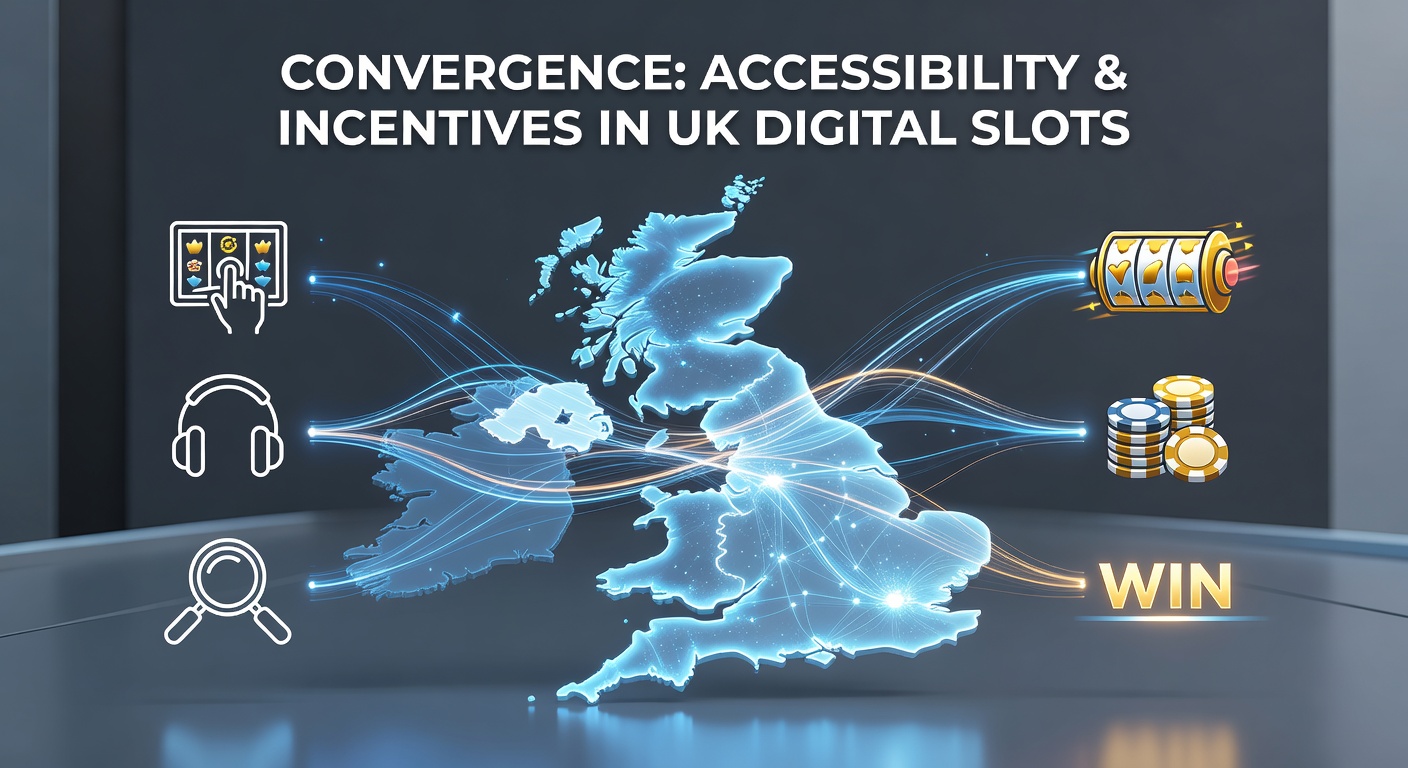
Digital slot platforms across the United Kingdom have begun integrating accessibility features directly with incentive structures, creating pathways that allow broader participation while operators maintain compliance with evolving standards, and observers note this shift gained momentum through 2025 as platforms responded to user data patterns indicating higher engagement when barriers decrease alongside reward visibility.
Defining Accessibility in Digital Slot Environments
Accessibility tools in these platforms now encompass screen reader compatibility, adjustable contrast modes, voice navigation commands, and customizable reel speeds that accommodate motor skill variations, while developers incorporate these elements into core interfaces rather than treating them as add-ons, and studies from research institutions highlight how such modifications align with international guidelines on digital inclusion without disrupting game flow or payout mechanics.
Those who track platform updates report that color-blind filters and subtitle options for audio cues have become standard in many systems, allowing players with sensory differences to maintain the same level of information access as others, and this standardization supports consistent experiences across devices from desktops to mobiles.
Structure of Incentive Programs in the UK Market
Incentive programs typically include deposit matches, loyalty points accumulation, and targeted free spin allocations that operators distribute through account-linked systems, yet these rewards now appear within interfaces designed for easy navigation by assistive technologies, and figures from industry reports reveal that participation rates rise when bonus terms display clearly in formats compatible with screen magnification tools.
Operators adjust eligibility criteria so that players using accessibility settings encounter the same promotional triggers as standard users, creating parity in how rewards activate during sessions, while data from regulatory bodies in regions like Canada shows similar patterns where inclusive presentation of offers correlates with sustained activity levels.
Integration Points Between Features and Programs
Convergence occurs when accessibility settings automatically adjust how bonus notifications appear, such as enlarging text for welcome offers or simplifying claim processes through one-tap voice commands, and this integration means players encounter fewer steps between discovering a reward and activating it within the game environment.
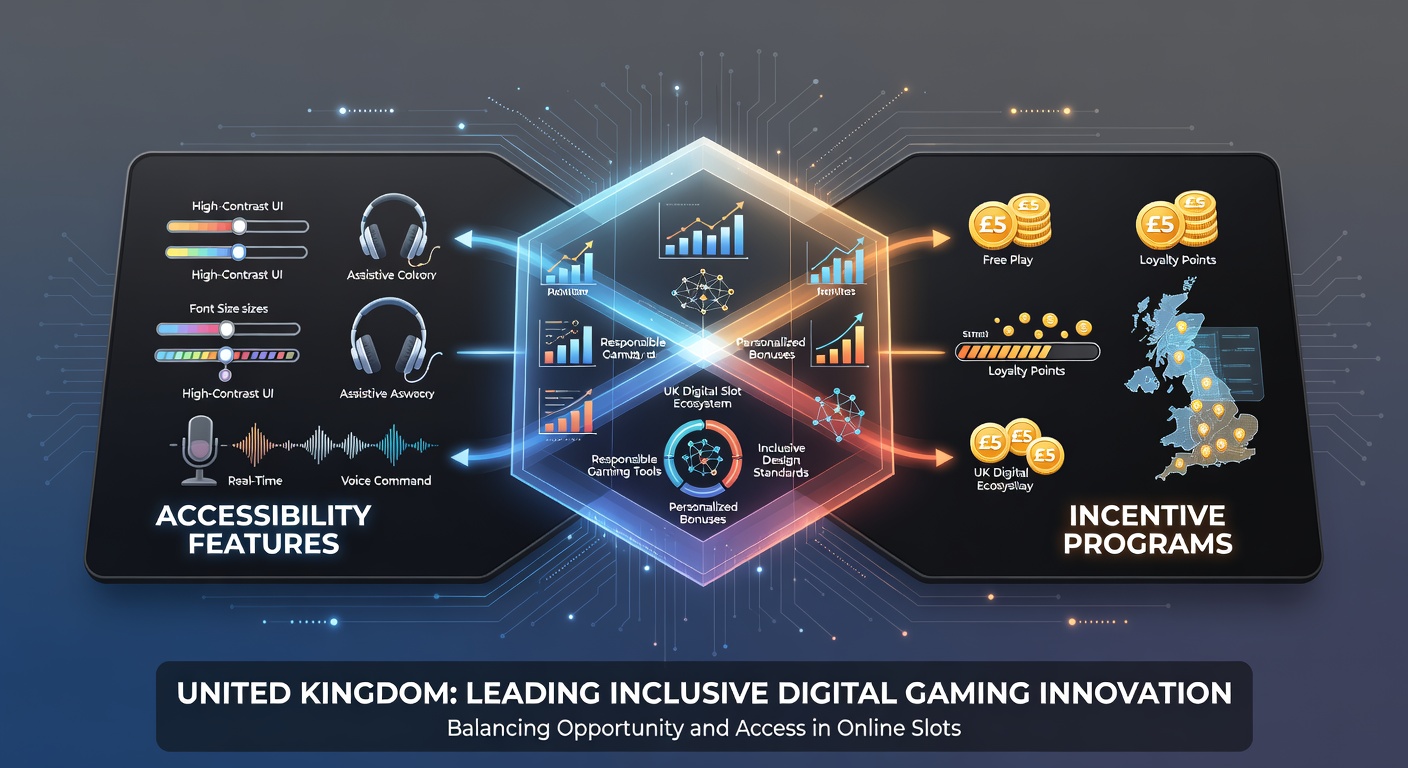
Platform analytics indicate that when reward dashboards incorporate high-contrast modes by default, redemption rates for layered promotions increase across user segments, and experts observe this outcome stems from reduced friction rather than any change in the underlying mechanics of the slots themselves.
But here's the thing: seamless pairing allows incentive structures to function uniformly regardless of chosen accessibility profile, so a player employing voice guidance receives the same progressive jackpot eligibility as someone using standard controls, and this uniformity reflects broader efforts across European markets to standardize digital service delivery.
Regulatory Influences and Market Data
Guidelines from the European Commission on web accessibility have encouraged operators to embed these tools within promotional frameworks, ensuring that terms for bonus programs remain readable through assistive devices, while a linked overview from the European Commission digital accessibility resources outlines baseline requirements that many UK platforms now exceed in their slot offerings.
Additional insights emerge from reports by the Responsible Gambling Council in Canada, which examined inclusive design impacts on engagement patterns, and those findings suggest that when accessibility converges with incentives, session durations stabilize without corresponding rises in risk indicators, providing operators with balanced operational metrics to review.
What's interesting is how these developments position platforms for continued evolution by May 2026, when updated compliance expectations may require even tighter linkages between support features and reward distribution systems across the sector.
Practical Examples from Operator Implementations
One platform introduced a unified menu where players select accessibility preferences first, after which all active promotions automatically reformat to match those settings, and user logs from similar trials demonstrate higher completion rates for bonus wagering requirements under these conditions.
Another case involved voice-activated spin initiators paired with loyalty tier upgrades that unlock automatically upon reaching thresholds, allowing uninterrupted progression for users relying on hands-free options, and observers tracking these rollouts note reduced support ticket volumes related to interface confusion.
Conclusion
The convergence of accessibility features and incentive programs continues to reshape participation dynamics within teh UK's digital slot landscape through deliberate interface alignments and data-driven refinements, and as platforms advance these integrations toward 2026, patterns from multiple regulatory perspectives indicate sustained emphasis on equitable access to both gameplay and rewards across diverse user groups.