Decoding Progressive Patterns: The Influence of Extended Demo Access on Optimizing Rewards in Regulated Casino Environments
Petra Schulz · Jul 30, 2026
Decoding Progressive Patterns: The Influence of Extended Demo Access on Optimizing Rewards in Regulated Casino Environments
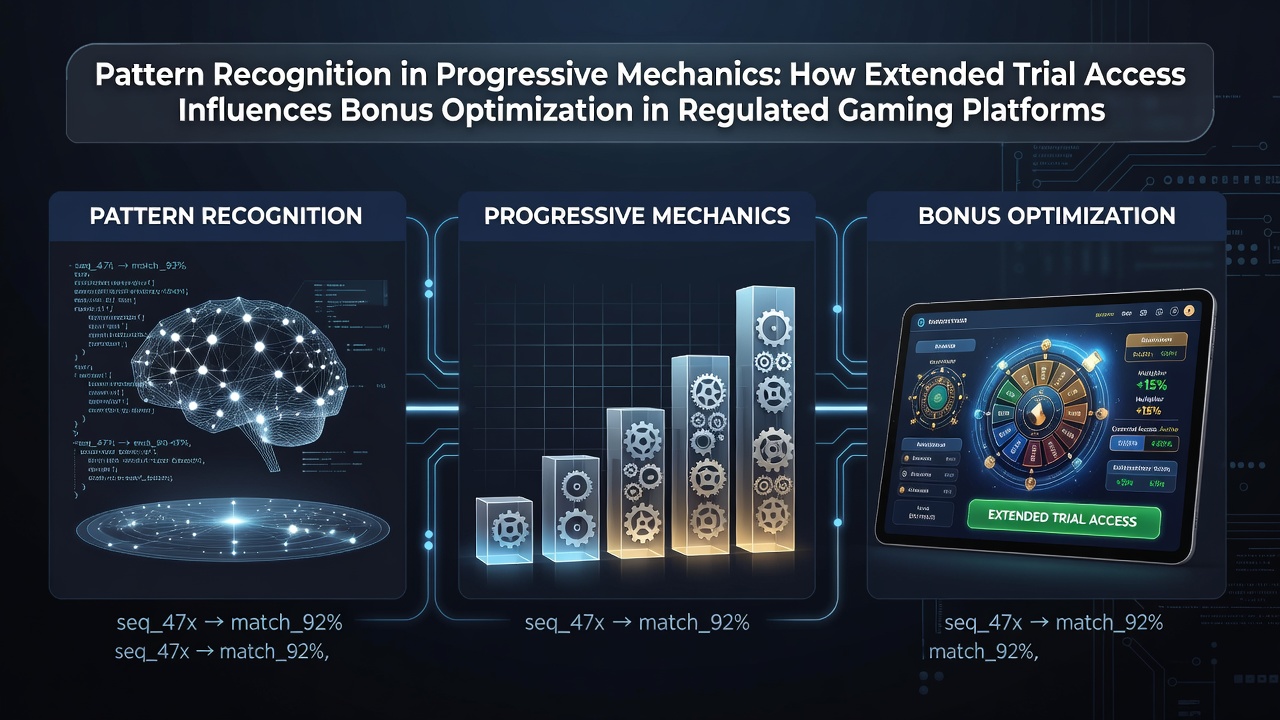
Pattern recognition within progressive mechanics involves identifying sequences in reel outcomes, multiplier triggers, and jackpot accumulation rates across licensed platforms, where extended trial access allows participants to map these elements without financial commitment. Data from regulatory reports shows that platforms in multiple jurisdictions track player interactions during demo modes to refine bonus structures, and studies released in July 2026 indicate measurable shifts in optimization techniques when trial periods extend beyond standard limits.
Mechanics Behind Progressive Systems
Progressive slots operate through linked networks that pool contributions from numerous machines into growing prize pools, and researchers at institutions such as the University of Nevada have documented how algorithms adjust payout frequencies based on accumulated data. Observers note that pattern detection emerges when users examine hit rates for bonus rounds during extended trials, since these periods reveal correlations between bet sizes and trigger probabilities that shorter sessions obscure. Figures from industry analyses reveal that regulated environments in Canada and Australia maintain strict logging of such interactions to ensure compliance with fairness standards.
Role of Extended Trial Access
Extended trial periods grant users additional spins to test progressive features under controlled conditions, and evidence from gaming association reports suggests this duration directly affects how players identify optimal entry points for bonus activation. Those who study platform data find that longer access windows enable mapping of variance patterns, where low-frequency high-reward events become visible only after hundreds of simulated plays. In July 2026 updates, several European regulatory bodies reported increased emphasis on trial length policies as a factor in maintaining transparent bonus distribution.
Bonus Optimization Techniques
Players apply pattern recognition to adjust strategies for bonus collection by noting recurring sequences in multiplier ladders or scatter appearances, while platform operators use aggregated trial data to calibrate reward tiers. Academic papers from research centers in Singapore highlight that extended demos correlate with higher reported efficiency in bonus utilization, since participants learn to time wagers around detected cycles. What's interesting is how these adjustments align with regulatory requirements that mandate clear disclosure of progressive contribution rates across different regions.

One case examined by analysts at the American Gaming Association showed that platforms incorporating longer trial phases recorded improved alignment between player expectations and actual bonus delivery, and this occurs because extended exposure surfaces subtle mechanical consistencies that influence reward timing.
Regulatory Frameworks and Data Tracking
Regulated platforms must adhere to oversight from bodies including the Nevada Gaming Control Board and the European Gaming and Betting Association, which require verification that trial modes accurately reflect live mechanics. Reports compiled in July 2026 demonstrate that extended access periods contribute to more precise auditing of progressive pools, since longer datasets allow regulators to confirm that bonus optimizations remain within permitted variance thresholds. Those monitoring compliance note that such practices prevent discrepancies between demo outcomes and paid play results across international markets.
Comparative Analysis Across Jurisdictions
Platforms operating under Canadian provincial rules versus those in Australian states exhibit differences in how trial extensions influence pattern-based strategies, and cross-border studies indicate that regions permitting longer demos see accelerated development of optimization methods among frequent users. Data compiled by independent research groups shows consistent patterns where access duration affects the speed at which players recognize accumulation thresholds in linked progressive systems. Yet these variations stay bounded by each area's specific licensing conditions that govern data collection and feature transparency.
Conclusion
Extended trial access shapes bonus optimization by providing the volume of interactions necessary for reliable pattern recognition in progressive mechanics, and regulatory data from multiple sources confirms that this relationship holds across licensed environments. Platforms continue to adjust policies around demo durations based on findings that emerged through July 2026 reviews, ensuring that optimization remains tied to verifiable mechanical behaviors rather than isolated observations.