Charting Pathways Linking Demo Access, Incentive Structures, and Premium Reward Mechanics in UK Mobile Gaming Systems
Blake Jenkins · Aug 6, 2026
Charting Pathways Linking Demo Access, Incentive Structures, and Premium Reward Mechanics in UK Mobile Gaming Systems
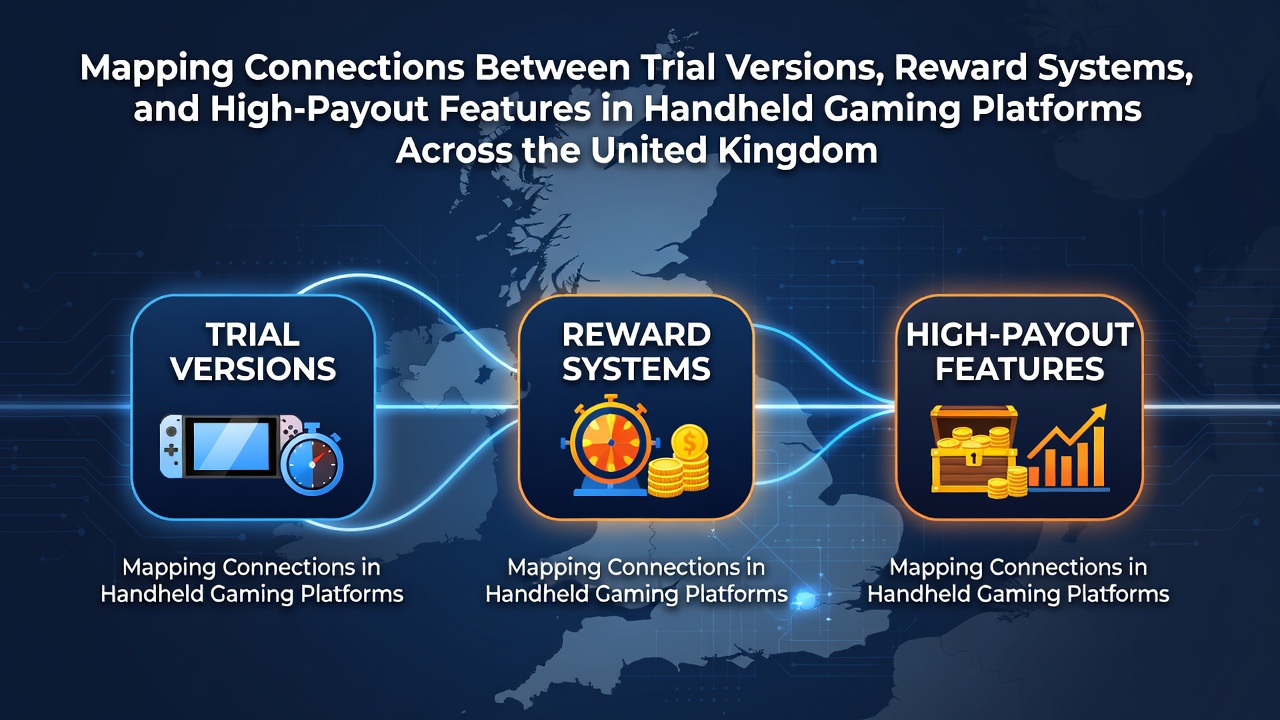
Handheld gaming platforms across the United Kingdom connect trial versions with reward systems through structured pathways that guide users from initial access points toward high-payout features. Data from industry reports show these connections operate via integrated mechanics where demo modes introduce core gameplay elements while reward systems track progression metrics that unlock elevated payout opportunities. Observers note that developers design these links so trial sessions feed directly into bonus accumulation frameworks and progressive reward ladders.
Research indicates that trial versions function as entry mechanisms in many UK mobile titles, allowing users to test mechanics without financial commitment. These versions often mirror full platform features yet limit payout scales until users transition through reward system thresholds. Figures from European gaming studies reveal that platforms which align demo completion rates with reward triggers see higher retention patterns in handheld formats.
Mechanics of Trial Integration
Platform operators embed trial versions within reward systems by assigning completion milestones that convert into credits or multipliers. These milestones feed into high-payout features such as progressive jackpots or enhanced reel configurations available on mobile devices. Analysts have documented cases where extended demo runs accumulate loyalty points that directly influence payout percentages in live sessions, creating measurable pathways from trial to premium play.
Studies conducted by university research groups in Canada highlight how reward systems quantify demo performance through metrics like spin counts and feature triggers. These metrics then map onto handheld platform algorithms that adjust high-payout eligibility. As of August 2026, updated platform data shows increased synchronization between trial logs and reward ledgers, enabling seamless transitions across UK user accounts.
Reward System Structures and Payout Linkages
Reward systems in UK handheld gaming platforms typically layer multiple tiers that connect trial achievements to payout enhancements. Basic tiers award entry-level bonuses while advanced tiers unlock access to high-payout mechanics such as multiplier cascades or exclusive jackpot pools. Evidence from trade association reports demonstrates that platforms maintain these linkages through backend tracking that records every trial interaction and applies corresponding reward adjustments.
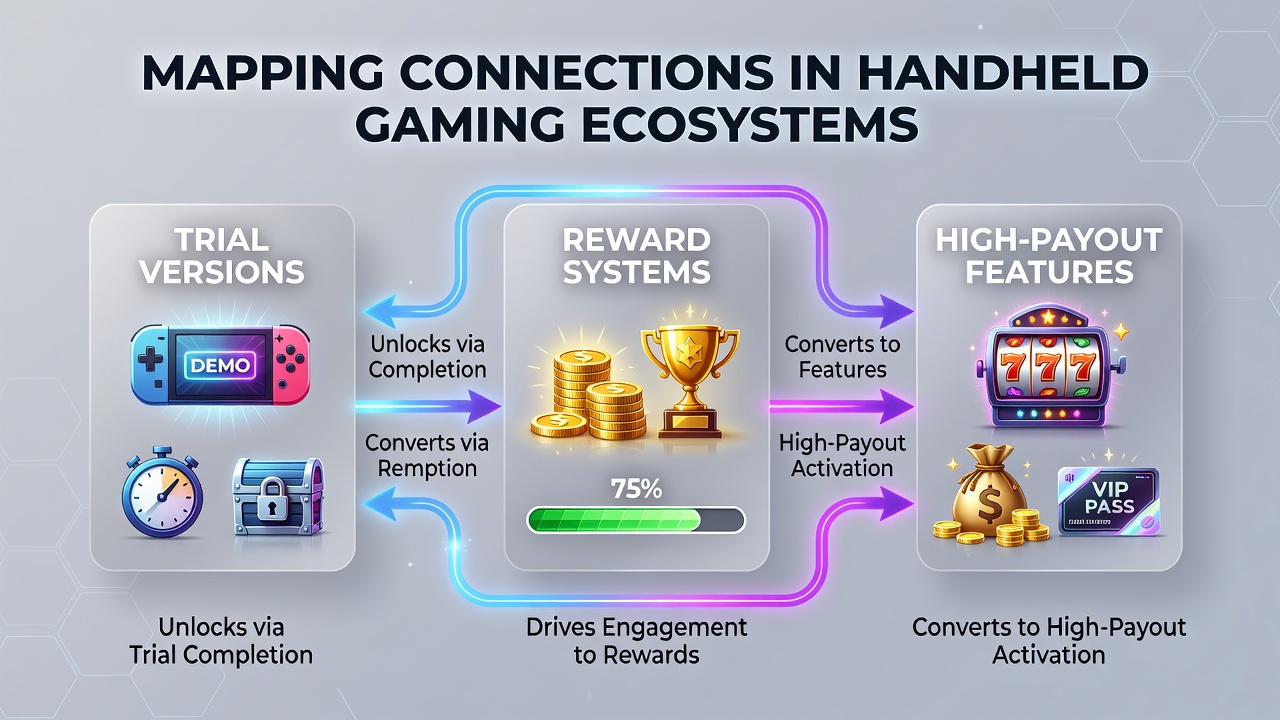
Those who have examined platform architectures find that high-payout features often require specific reward thresholds reached through combined trial and live play. This structure encourages users to progress from demo environments into full-featured sessions where payout potential expands. Data compiled by Australian regulatory bodies indicates similar patterns in mobile markets, where reward accumulation directly correlates with jackpot access frequency.
Platform updates released in mid-2026 refined these connections by introducing real-time reward notifications during trial play. Such notifications display projected payout pathways based on current progress, maintaining user engagement across handheld interfaces. Industry organizations report that these refinements have strengthened the mapping between trial versions and reward-driven high-payout opportunities.
Platform Variations Across the United Kingdom
Different handheld gaming platforms in the UK implement these connections with varying degrees of visibility. Some systems display clear progression bars that link demo milestones to reward tiers and eventual payout boosts. Others embed the linkages within hidden algorithms that reveal connections only after users meet certain criteria. Research papers from academic institutions in the United States document these variations and their effects on user navigation patterns.
High-payout features remain central to the overall framework because reward systems calibrate their activation based on trial-derived data points. Observers note that platforms which expose these calibrations more transparently tend to retain users longer in mobile environments. Trade group analyses confirm that such transparency aligns trial experiences with tangible reward outcomes across multiple device types.
Conclusion
Connections between trial versions, reward systems, and high-payout features in UK handheld gaming platforms operate through deliberate design choices that track user progression and adjust access accordingly. Available data shows these linkages continue to evolve with platform updates, incorporating metrics from demo sessions into reward calculations that govern payout eligibility. Continued examination of these structures provides insight into how mobile gaming ecosystems maintain internal consistency across trial, reward, and premium layers.